Intermediate vs Full-size Rental Cars: Which Fits Your Trip?
Compare Intermediate vs Full-size rental cars by passenger space, luggage needs and example models—not just the label.
The ROAM airport deskOctober 11, 20263 min read
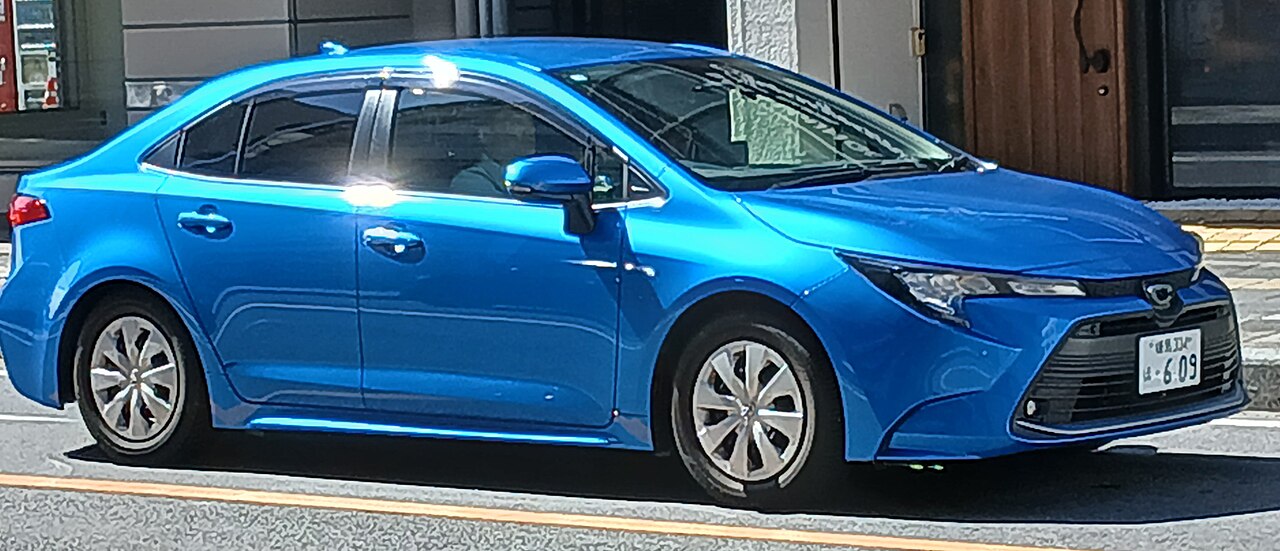
Photo: EurovisionNim · CC BY-SA 4.0 · via Wikimedia Commons
You’re comparing two rental listings, and both say five passengers. So what’s the difference between Intermediate vs Full-size rental cars? Usually, it’s room rather than seat count: intermediate is a sensible starting point for a smaller group packing light, while full-size is worth considering when rear-seat comfort and luggage space matter more. Neither label guarantees that everyone and every suitcase will fit comfortably.
Intermediate usually sits above compact and below standard in rental size guides. Think of it as the middle-ground option, not a promise of a particular cabin or trunk measurement. For two adults with a modest amount of luggage, it’s a reasonable class to start comparing. For three or four travelers, pay closer attention to the actual listing’s passenger and baggage guidance.
Full-size generally means a larger sedan, not an SUV or van. Avis describes its full-size fleet as four-door cars with five seats and lists examples such as the Toyota Camry, Chevrolet Malibu and Ford Fusion Hybrid, or similar. It’s the class to consider when you want more passenger and luggage room without moving into an SUV.
Example models can make these labels confusing. Avis lists the Toyota Camry as a full-size example. Treat every example as “or similar,” not a model promise or a universal classification. Check the supplier’s class description rather than classifying a rental from its manufacturer body-size label.
ACRISS, the organization behind a widely used rental classification system, uses I for Intermediate and F for Fullsize. That distinguishes the categories, but it does not settle your packing question. Compare the supplier’s body-style, passenger and luggage information before choosing.
Choose intermediate if your smaller group and lighter packing make extra cabin space less important. Give full-size a closer look if adults will regularly ride in back or you’re planning longer drives. Compare the total cost and rental terms for your actual dates; don’t assume either class is automatically the better deal. If you’re bringing bulky suitcases, a stroller or other awkward items, ask about those specifically instead of relying only on a bag icon.
Before you drive away, check the vehicle you’ve actually been assigned. Have rear-seat passengers try their seats, install any child seats you’re bringing and load your luggage. If the setup doesn’t work, ask the rental desk about alternatives and confirm any price or agreement changes before accepting one. This preparation helps ensure your vehicle choice supports your entire journey.
Keep reading