Intermediate SUV vs Standard SUV: Which Should You Rent?
Compare Intermediate SUV vs Standard SUV rentals by typical size, example models and luggage needs—not just the vehicle photo.
The ROAM airport deskOctober 11, 20263 min read
Photo: Kevauto · CC BY-SA 4.0 · via Wikimedia Commons
You’ve got four people, a growing pile of bags and two SUV options on your screen. Intermediate SUV vs Standard SUV usually comes down to size, not extra seats: both commonly seat five, while a standard SUV is generally the larger class. Start with your luggage needs rather than assuming the bigger category carries more people.
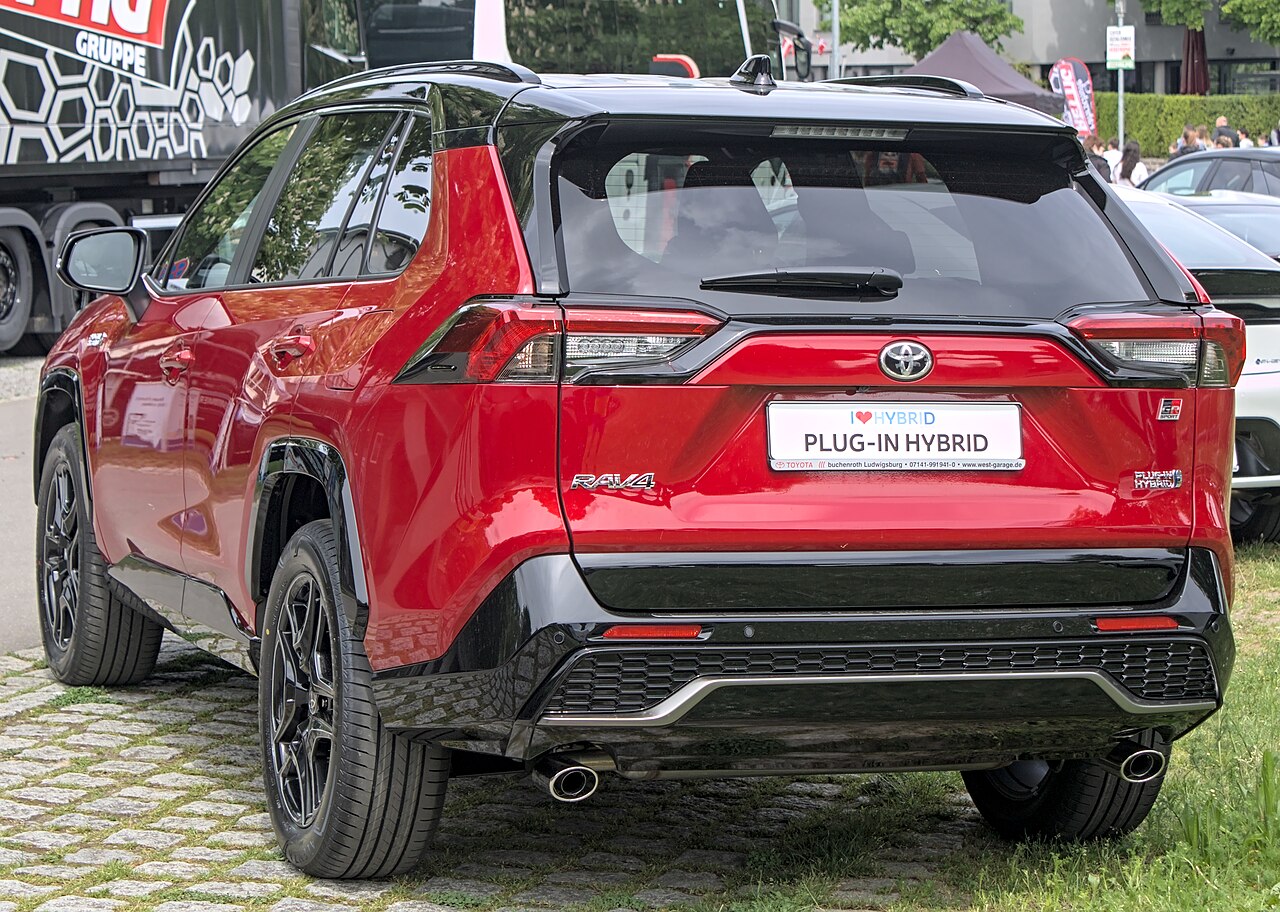
An intermediate SUV is also called a midsize SUV. Avis describes it as slightly smaller than a standard SUV, and both Avis and Budget list five seats for the class. Typical examples include a Toyota RAV4 or similar; Avis also lists the Mazda CX-50, Jeep Compass and Subaru Outback. It’s a sensible starting point if you want five-seat capacity without stepping up to the larger category.
A standard SUV sits above intermediate and below full-size in Avis’s lineup. Think Ford Edge or similar, with the Toyota 4Runner also listed among Avis’s examples. Avis and Hertz describe their standard SUVs as seating up to five, so this is a category to consider for more room—not a shortcut to a guaranteed third row.
Those model names are examples, not promises. Hertz explicitly says it can’t guarantee the exact make or model you’ll receive. Read “or similar” as a reminder to compare the rental company’s class description and listed capacity, rather than choosing solely because you like the pictured RAV4 or Edge.
Luggage is where the comparison gets useful. Avis lists one large bag and one small bag for its intermediate SUV, versus one large bag and two small bags for its standard SUV. That’s a helpful indication of the intended difference, not proof that your particular suitcases, stroller or other gear will fit. Five advertised seats don’t establish room for five people’s luggage.
Choose intermediate if your group packs lightly and the listing’s capacity matches your needs. Put standard on your shortlist if you’re bringing bulkier gear or want more luggage room while keeping the same typical five-seat capacity. If you need six or more seats, neither of these five-seat descriptions meets that need; look for a listing that explicitly states the required passenger capacity.
Before booking, count everyone traveling and make a bag list, including items that don’t behave like suitcases. Compare the two actual offers’ passenger and luggage information, not just their class labels.
At pickup, check the assigned vehicle before loading everyone in. Confirm that the seats you need are usable and try your luggage with those seats in place. If the vehicle doesn’t meet your needs or appears inconsistent with your reservation, show the desk your confirmation and ask about alternatives and any price difference before accepting a change. This guide provides the framework for comparing utility and space effectively.
Keep reading