Full-Size SUV vs Minivan Rental: Which Should You Choose?
Compare a full-size SUV vs minivan rental by usable seats, luggage space and passenger access—not just the vehicle pictured.
The ROAM airport deskOctober 11, 20263 min read
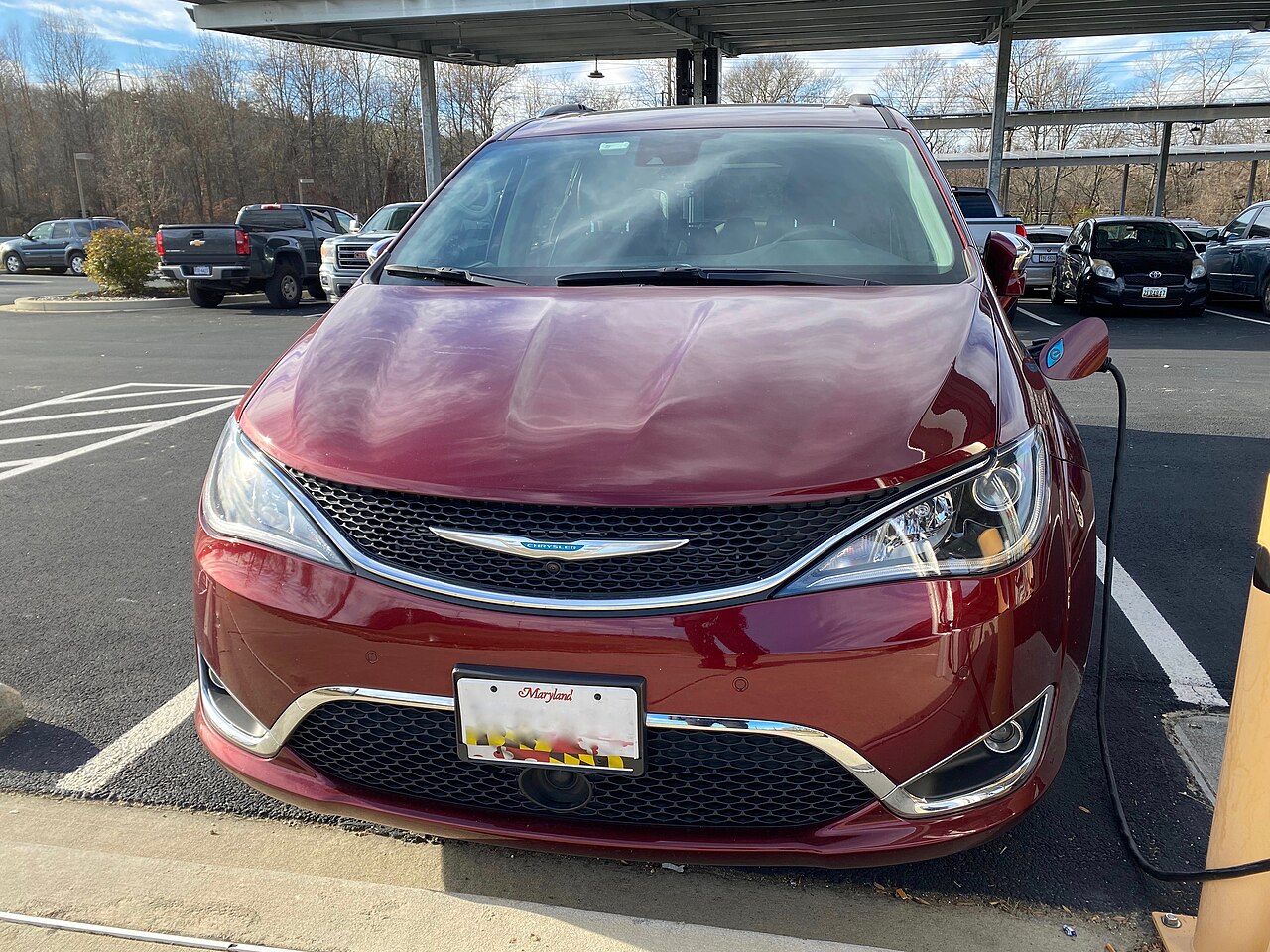
Photo: CZmarlin — Christopher Ziemnowicz — a photo credit is required if this image is used anywhere other than Wikipedia. · CC BY-SA 4.0 · via Wikimedia Commons
You’re traveling with a group, everyone has a bag, and both rental options look big enough. For a full-size SUV vs minivan rental, the useful answer is to start with the seats you’ll actually use and the luggage you’ll bring. Compare minivans first if moving people is your main priority; consider a full-size SUV if you specifically want an SUV, but don’t assume its size means every passenger’s luggage will fit.
A full-size SUV is a large SUV rental class. Avis describes its class as seating seven or eight passengers, while its listing shows eight seats, two large bags and two small bags. Those figures are a starting point, not a packing guarantee. Check the passenger capacity on your particular offer rather than assuming every full-size SUV has eight seats.
A minivan is a passenger-focused option for group travel. KAYAK places minivans among the rental categories intended for larger groups, but the supplied evidence doesn’t establish one universal seating or luggage allowance. If you’re traveling with children, several adults or passengers who need easier access, make seating layout and getting in and out part of your comparison—not an afterthought at pickup.
Treat an example model followed by “or similar” as a guide to the class, not a promise of that vehicle. Compare the example on each offer alongside its stated seats and luggage guidance. Ask the supplier which features are confirmed for your reservation rather than assuming every large SUV or minivan has the same layout.
The big packing question is: how much luggage space remains with every seat you need in use? Ask that explicitly. Folding a seat to make room for bags won’t help if someone needs to sit there. Count suitcases, strollers and other bulky items before you book, and treat bag icons as estimates rather than proof that your particular load will fit.
Don’t choose a full-size SUV solely because you expect four-wheel drive. ACRISS, the organization behind widely used rental classification codes, identifies vehicle type and drivetrain separately. In plain English, “SUV” and “four-wheel drive” aren’t the same booking detail. If that feature matters for your route, check the offer and ask the rental company to confirm it rather than relying on the photo.
Before you drive away, check that the assigned vehicle has enough usable seats, workable passenger access and room for your actual bags. If it doesn’t, speak with the rental desk before leaving and ask about alternatives and any price difference. Use these steps to confirm your group's comfort before starting your trip.
Keep reading