Compact vs Intermediate Rental Cars: Which Should You Choose?
Compare Compact vs Intermediate rental cars by passenger space, luggage needs and the supplier’s actual vehicle listing—not just the example photo.
The ROAM airport deskOctober 11, 20263 min read
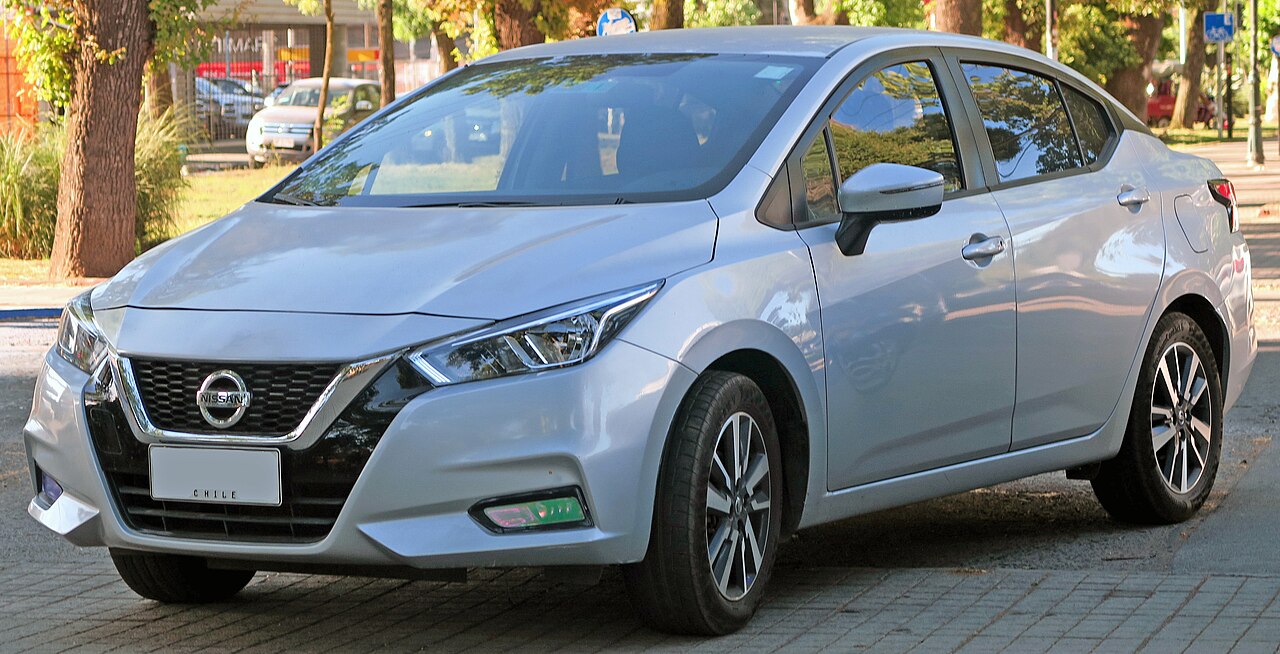
Photo: RL GNZLZ from Chile · CC BY-SA 2.0 · via Wikimedia Commons
You’re comparing two rental listings, and the cars in the photos look almost identical. Compact vs Intermediate rental cars usually comes down to space: Compact is the smaller option, while Intermediate—also called Midsize—gives you a step up. Start with how many people and bags you’re bringing, rather than which photo looks nicer.
Compact is worth considering when you’re traveling solo or as a pair with modest luggage. A compact may list five seats, but that doesn’t tell you how comfortable your passengers will be or whether everyone’s bags will fit. If you’ll have people in the back seat for long stretches, look closely at the listed vehicle and consider the next class up.
Intermediate usually means a car larger than a Compact but smaller than a Full-size sedan. Avis explicitly uses Midsize and Intermediate for the same class and lists five seats. It’s the more sensible starting point if you want extra passenger space, expect regular back-seat use or are planning longer drives—but it’s not a guarantee that a particular group and its luggage will fit.
Example models need a little caution. Different rental companies can place the same model in different groups. Use the compact and intermediate descriptions on your actual offer, and treat the named model as “or similar,” not a universal fleet chart or an exact-car promise.
The words “or similar” matter more than the photo. You’re choosing a category, not securing that exact model. If a particular feature or seating arrangement is essential, ask the supplier whether it’s guaranteed under the listing before you book; don’t infer it from the pictured car.
For luggage, treat bag counts as a planning guide, not a packing promise. Avis lists its Intermediate class for one large bag and two small bags, while Orbit’s guide gives a different allowance. Your hard-shell suitcases, stroller or oddly shaped gear may not match those examples. Count everything you’ll carry and ask about your specific load if space looks tight.
To choose, compare the two listings for the same dates and pickup location: passenger count, luggage guidance, rental terms and total price. If you’re a pair packing light, Compact is a reasonable place to start. If back-seat comfort or baggage space is the deciding factor, look first at Intermediate.
At pickup, check the assigned car before loading up for good. Have your passengers try their seats and check that your luggage fits with the trunk or hatch fully closed. If the car doesn’t meet your needs, speak to the rental staff before leaving and ask what alternatives are available and whether the total would change.
Keep reading